Click here to sign up for our free daily newsletter
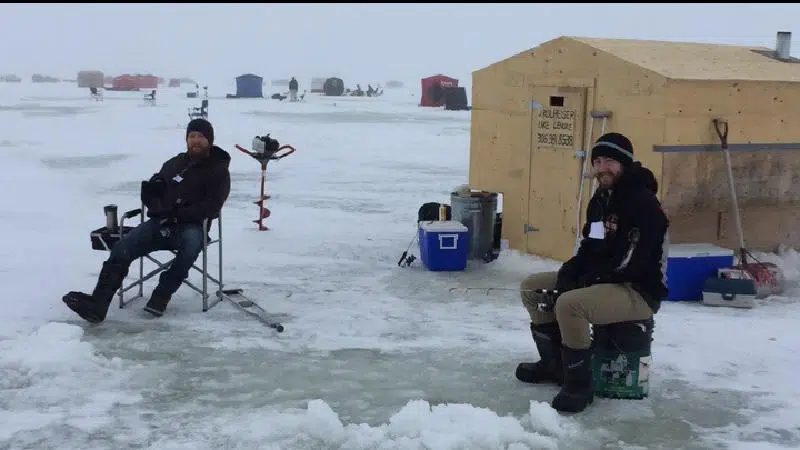
Ice fishing on Lake Lenore (File photo/northeastNOW Staff)
Mind the ice

Keep an eye on the ice on lakes and rivers: Melfort Ambulance

Dec 7, 2019 | 8:00 AM

The warm temperatures of late have led to a freeze-thaw cycle across much of the province, and that has had an effect on the ice on lakes and rivers.

There are plenty of winter activities on the ice, from snowmobiling to cross-country skiing, to ice fishing, but there can be concerns about ice with the type of weather we have had, according to Wayne Therres of Melfort Ambulance.

“It’s always best to check with local authorities to see what’s going on [with the ice],” said Therres. “Conservation officers or snowmobile clubs, those guys are going to have a look at what the ice conditions are like, and will have a good idea of what goes on.”

Therres said ice is unpredictable at the best of times, and it’s best to stay close to the edge. If you’re unsure of the ice thickness or stability, it’s best just to stay away. Therres recommended a buddy system, and having adults test the ice before any children are allowed onto the surface. He added that no ice is without a risk.

There are ice thickness recommendations to help anyone make a decision on whether to venture out onto the ice:

  • 7 cm (3 in.) – stay off the ice
  • 10 cm (4 in.) – good for walking, ice fishing, cross-country skiing
  • 12 cm (5 in.) – snowmobiling
  • 20-30 cm (8-12 in.) – small car
  • 38 cm (15 in.) – pickup truck

Therres said if you can see the ice isn’t clear all the way through it could be rotten and unstable. It is important to clear the snow off the ice to get a good indication of whether it’s clear or not.

Hypothermia and drowning are the main risks when it comes to falling through the ice, according to Therres.

“If you’re the person that’s gone through the ice, try to float on your stomach, get yourself facing toward the shore, and then slowly reach forward onto the ice – don’t try to push the ice down – kick your legs, and then when you get there crawl or roll away from the hole, then call for help right away,” said Therres.

If you are helping someone that fell into the icy water, Therres said you don’t want to venture onto the ice yourself in case you also fall into the water. He said it’s best to call 911, then push a stick, branch, or rope toward them so they can use it to get out of the lake or river.

There is still a significant risk of hypothermia even if the weather is warm, according to Therres. However, Therres said we can help prevent a lot of the risks associated with being on the ice as long as we are prepared.

cam.lee@jpbg.ca

On Twitter: @camlee1974