Click here to sign up for our free daily newsletter
(Photo 34948699 © Spettacolare | Dreamstime.com)
Oils and Grease

City of Melfort advising residents to help prevent sewer blockages

Feb 17, 2023 | 12:17 PM

The City of Melfort had to deal with a sewer blockage in a residential area this past weekend, which left residents living on Stovel Ave. without flowing water.

The issues happened due to a blockage in the main, which was caused by the accumulation of predominantly fats and oils.

Adam Homes, the city manager told northeastNOW the city just wants to remind its citizens this is a preventable issue.

“Just a reminder to everybody, don’t put fats and oils down your drain, you can use a cloth to kind of wipe down your pans and pots and then throw the cloth in the garbage.”


Other items that were seen and can cause similar issues include paper towels, coffee grounds, hair, and flushable wipes.

“Don’t put your flushable wipes down the drain,” Homes said. “Flushable is more of a marketing term, it’s not a reality.”

While complications like these are somewhat common in commercial or industrial sites, so much so that it’s one of the budgeting items for the city every year, it’s less common and more preventable in residential areas.

Homes added the biggest problem is the fact that the blockages happen over time, which may cause people to think they’re not doing any harm because there are no immediate consequences.

He assured the community that there is harm being done and that it would be nice if it wasn’t man-made.

“It’s an operational cost for the city to have the blockages cleared and to keep the systems maintained. There are a lot of things that we can do personally, to make sure that those aren’t born by us.”

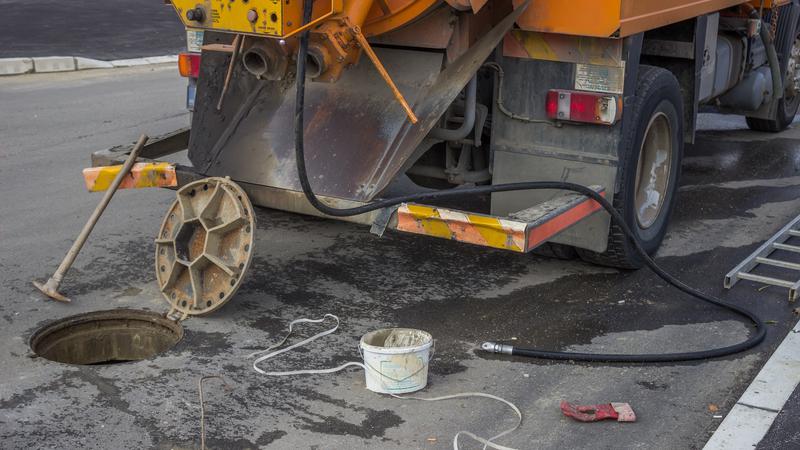
The city had to get a truck to flush out the system, which pushes out the blockages. Sometimes, there can even be issues with the sanitary sewer, which could have moved and cracked, as well, so the city has to inspect that too.

Homes said that in 2021, costs averaged about $1,000 per incident of this degree. Should the problem become more common and severe, however, costs could continue to pile up and rise.

Ben.Tompkins@pattisonmedia.com

On Twitter @BenTompkins_8