Click here to sign up for our free daily newsletter
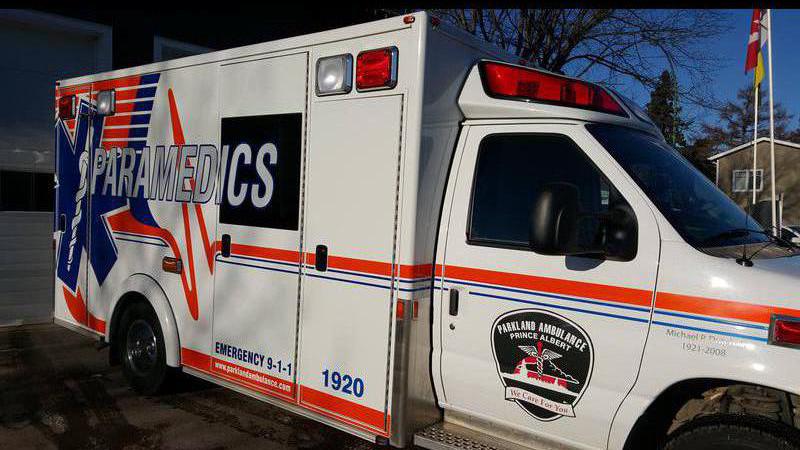
Medical communications staff took over 950 calls for service last week. (file photo/paNOW Staff)
Baby Delivery

Baby delivery among nearly 1,000 calls in a week for medical communications team

Feb 27, 2023 | 11:10 AM

When your call centre is responsible for an area that blankets much of northern Saskatchewan, it’s safe to say you’re going to be busy just about every day. The medical communications team in the north centre knows a thing or two about being busy.

With nearly 1,000 calls for service in the last week alone, the communications team had to be on its toes. Among these calls was the delivery of a baby en route to Tisdale, which had to be delivered at the roadside.

“One of our team members delivered a baby on Friday evening for a family that was en route to a hospital in Tisdale but didn’t quite get there in time to deliver a baby there,” Lyle Karasiuk, director of public affairs at Parkland Ambulance said. “We handle every sort of medical communication need you might have.”

For the communications staff, helping deliver a baby might simply mean talking a mother and family through the necessary steps while help arrives. For them, the tough part is not being there to witness the birth for themselves.


“They actually deliver a few more babies because of the geographical nature of the people they serve than our paramedics in Prince Albert,” Karasiuk said. “It’s still a really awesome task. Our medical communications team, just like our paramedics, face some really difficult situations each and every day. Probably a bit more difficult for our communications team is that they don’t see the results.”

Though Karasiuk did not have data on specific reasons for every call, he did mention this is the time of year where certain calls, including carbon monoxide emergencies, become more likely. Frostbite, slips and falls, and other cold-related issues also become more prominent, especially given the arctic air that bombarded Saskatchewan last week.

“The valuable thing our teams do so very well is they hear things about the call, like breaking of glass or screaming and yelling in the background,” Karasiuk said. “The caller is telling them one thing, but they’re hearing something that’s totally not making sense to them. They tell the paramedics, ‘This is what I’m hearing, you’d better be a little bit cautious.’”

Karasiuk added that when people call 911, they are asked a number of important questions. He said that as soon as the call centre gets your address or location, help is already on the way, and the remaining questions are not delaying a response.

rob.mahon@pattisonmedia.com

On Twitter: @RobMahonPxP