Click here to sign up for our free daily newsletter
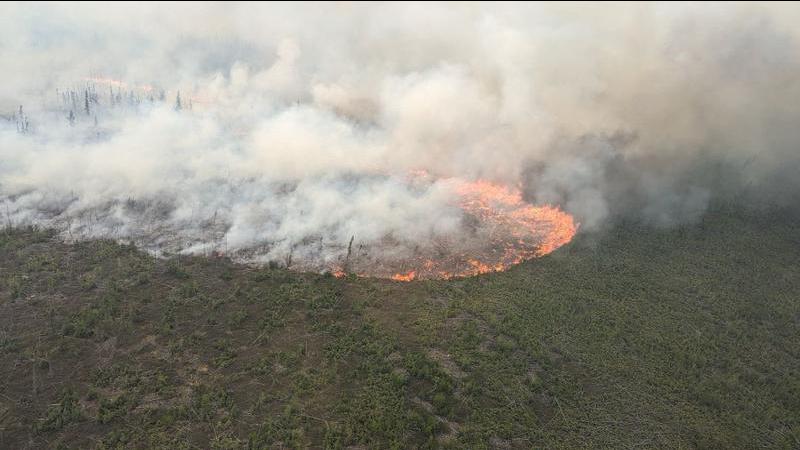
Wildfires like this one impacted outfitters based in northern Saskatchewan. (File photo/paNOW)
financial impact

Sask. outfitters lose millions in revenues due to wildfires

Sep 3, 2025 | 9:45 AM

Wildfires in Northern Saskatchewan have cost outfitters more than $2 million so far in 2025.

That’s according to Saskatchewan Commission of Professional Outfitters (SCPO) Acting-CEO Roy Anderson, who said the organization is currently finalizing an impact assessment for the sector. The $2 million is based on feedback from about 80 outfitters who participated in the analysis.

“The industry on an annual basis contributes $144 million to provincial net GDP each year, so a couple million dollars may not sound like a lot of lost revenues, but you have to think of the number of outfitters involved,” Anderson explained.

“If you divide that by 75 or 80 that are impacted, some far more severely impacted than others, it had a serious implication at the specific outfitter level. Some outfitters would have lost $50,000 to $100,000 in revenue.”

Anderson noted outfitting is a seasonal business, so when wildfires first hit in the spring, it impacted big game outfitters, followed by those who focus on fishing.

“We’re finding in preliminary data there were some Americans that were reluctant to come up to the region … but there are other factors in addition to the proximity of the wildfires, so if you have an outfitter operating in a remote area of the province and there is a wildfire on their doorstep or near their doorstep, you can understand they wouldn’t want any guests or clients to come in,” he said.

In addition to the impact wildfires had on the landscape or camps themselves, tourism was also down due to factors such as road access, air quality, the inability of air services to operate, and regulatory changes such as restrictions on ATVs and UTVs.

Anderson added the SCPO would like to determine a tiered approach with the provincial government and related agencies when it comes to wildfire preparedness and ways to reduce the impacts. That would include regionalized restrictions to ensure outfitters themselves are prepared to manage or protect their camps from wildfires, in conjunction with the province, as well as what role outfitters can play in the future in terms of supporting the fight of wildfires.

Churchill River Canoe Outfitters owner Martin Bernardin, who is based in Missinipe, about 80 kilometers north of La Ronge, lost one-third of his business revenue this year. He said at first it appeared it was going to be a bumper season until fires began causing havoc at the end of May and in July.

Bernardin stated customers were reluctant to travel to the area because of the lack of access and smoky conditions, and he was hesitant to encourage large numbers of people to come to the region due to the unpredictable nature of wildfires.

“It’s been a huge impact financially because we staff up and plan all of our trips assuming they are all going to go ahead, and then we’re having to cancel trips at the last minute and re-route trips or move people around and do all that sort of stuff which has a huge impact on us for sure,” he said.

While the wildfires took a hit to his business financially, he believes that it’s just part of the cost of doing business in Saskatchewan’s boreal forest.

“The forest is going to burn no matter what. We can prevent it for a little while maybe, but it just comes at us harder,” Bernardin said.

“It is tragic and it is hard, and it sucks for business and everything else, but the forest is going to burn and there is not a whole lot that we as people can do to stop that from happening other than be prepared in communities.”

In a statement to larongeNOW from Tourism Saskatchewan, a spokesperson wrote while the situation remains ongoing, the full extent of the impact on northern tourism businesses is yet to be determined.

“Anecdotally, some operators have experienced losses, while most have remained fully open,” the statement reads.

“In addition to the fires themselves, evacuation alerts and highway closures contributed to disruptions, including cancellations and reduced visitor traffic in some areas. Many accommodations stepped up to provide emergency shelter for evacuees and firefighting personnel, and we are deeply grateful for their contributions.”

derek.cornet@pattisonmedia.com