Click here to sign up for our free daily newsletter
(File photo/northeastNOW)
Trespassing

Melfort RCMP cracking down on trespassing

Oct 21, 2025 | 12:16 PM

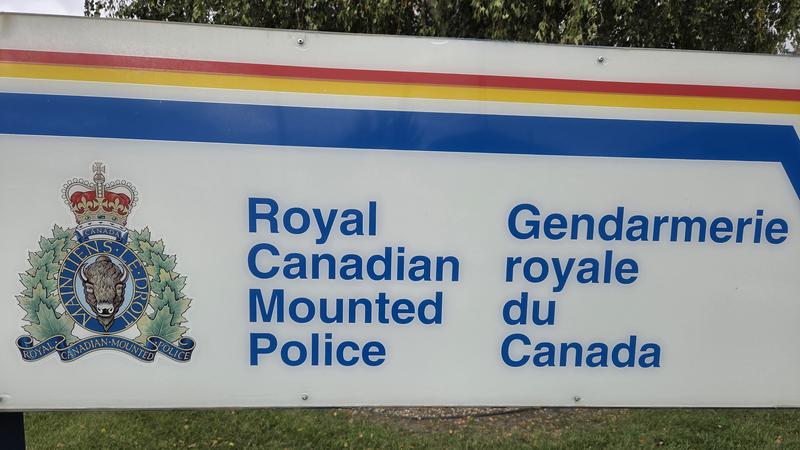
Melfort RCMP want to remind the public about changes to trespassing laws amid concerns about people entering properties uninvited.

S.Sgt. Ryan Case told northeastNOW the detachment issued the reminder because they regularly receive calls about suspicious people in the area.

“These people are sometimes on property that does not belong to them, and they don’t have a ‘good’ reason for being there but are not committing a criminal offense that the police can intervene on,” Case explained.

He said it’s important to educate the public on trespassing as it relates to provincial legislation, and he hopes that increased trespassing enforcement can have a positive effect on thefts within the detachment area.


Case said it is socially and legally acceptable for someone to approach your front door or property, unless there are signs or barriers indicating otherwise.

“The approach should be for the purpose of knocking on the door, ringing the doorbell or other legitimate purpose for approaching the property.”

A person is considered a trespasser under the Trespass to Property Act if they are found somewhere other than the walkway leading to the door – like the lawn or garden area of the private property, or in a fenced or naturally barricaded area on private property. It can be considered trespassing even without being warned first, and is an arrestable offense that carries a fine of $580.

“Until recently, the onus was on the property owner to prove that a person was trespassing,” Case said. “It was not considered trespassing unless the property had proper signage, or the property owner verbally told someone to leave their property, or they were not welcome to go onto it in the first place.”

Case said the legislation has been amended to put the onus on the person that is trespassing on the property. He added property owners have rights to control access to their property, and property owners are also liable for what occurs on that property.

“This legislation outlines what people can and cannot do when it comes to accessing property that does not belong to them.”

According to Case, property owners were frustrated with how the law was written prior to its amendment.

Trespassing is even more challenging in rural areas due to the size of the property, Case said.

“Access to it can be difficult to control,” said Case. “There is also less population in the rural area, and trespassers can easily get away with trespassing and not get caught.”

Case recommends posting anti-trespassing signage on your property, and taking photos or videos of unwanted people in your yard also makes the case easier to prosecute.

“Also, if property owners are comfortable with doing it, talking to the trespassers and finding out why they are on their property is a good thing to do,” Case suggested. “Not everyone is up to ‘no good.’ Some people are legitimately lost, looking for specific people or areas, or looking for help from someone.”

cam.lee@pattisonmedia.com