Click here to sign up for our free daily newsletter
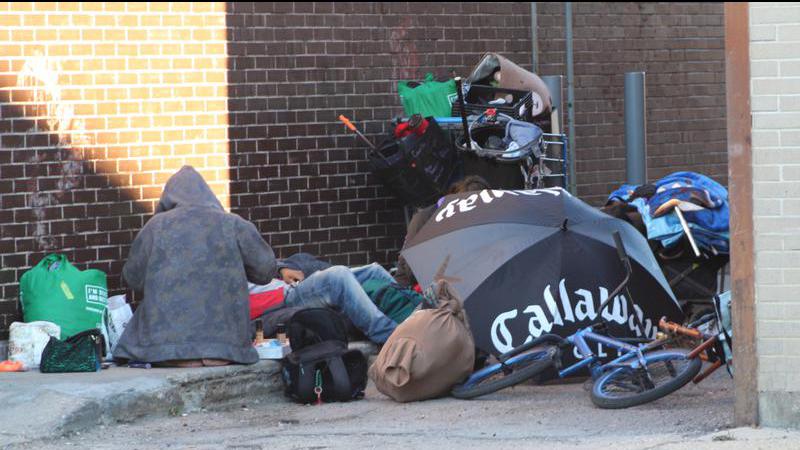
Homelessness, fuelled by addicitions, has been rising across Western Canada. Northern Saskatchewan is no exception. (File photo/paNOW)
Forced treatment

First details of forced addiction treatment plan made public

Dec 5, 2025 | 1:33 PM

The Province of Saskatchewan has released the first details of its plan to force some addicts into treatment under what is being called the Compassionate Intervention Act.

While the bill is not yet tabled and the Legislature will not resume until March, a document labeled The Compassionate Intervention Act – Questions & Answers, has been released on the province’s website.

“Compassionate Intervention is a proposed addiction treatment model that will allow adults with severe addictions to be treated when they are unable to ask for help themselves. This will only happen in rare cases where a person’s substance use puts their own life or the lives of others at serious and imminent risk,” wrote the province in the Q & A.

“Involuntary addictions treatment gives people a chance to withdraw from substances and start recovery with medical and mental health support by intervening before it is too late.”


The document allows that some people might not embrace treatment, even when required to do so, but specifies that those people can be re-assessed from outpatient care to inpatient care.

Some details are not included, such as what happens if a person continues to refuse treatment while getting inpatient care and how long they can be kept in before release is required.

The province said that the legislation is needed because some people who need help do not have the capacity to ask for help, even when their lives are in danger.

Anyone can apply for intervention for a person but the decision on whether care will be ordered will fall to a panel of people, including a legal expert, an addictions specialist and ‘representative community members’.

The evidence must show that the person has severe substance abuse disorder and is a risk to themselves or others in the immediate or imminent future.

The panel will review the evidence and consider the input of a team, the submissions of the patient and then decide if the legal threshold has been met. If it has, the panel will then order an in-patient or out-patient treatment recovery order, depending on what they think is needed.

In-person recovery orders require the person to get treatment in a secure treatment facility.

Out-patients will force the subject to received community care south as counselling or treatment programming.

These will be rolled out across the province in a phased approach, said the Q&A.

Several years ago, the province began creating Complex Needs Facilities in high need communities like Regina, Saskatoon, Prince Albert and the Battlefords, which are also to address short-term detention for people at high risk of harming themselves or others.

People held in a CNF can’t be kept longer than 24 hours. They are held under the same legislation that allows police to hold people in a drunk tank overnight.

The province said that several checks and balances will be built into the new legislation to protect people’s rights. A legal advocate will be provided to them for free and the panels must make their decisions based on evidence, such as police interactions or reports.

The process begins when a person is at serious risk due to substance abuse. Police can bring a person to an Assessment Centre but a medical professional or judge’s warrant can also trigger the process.

The person will be stabilized and assessed at the centre within 24 hours and staff will then review the evidence and make a recommendation “based on strict criteria”. The strict criteria is not detailed but could included a medical evaluation or their addictions-related past interactions with police.

A panel that includes a legal chairperson, an addiction specialist and a community representative will hear arguments for and against forced treatment and decide if the legal threshold for in patient or outpatient care has been met.

The person will have free legal representation from a patient counsel and evidence of the need will need to be shown such as a police report or observation.

With locations eventually planned for across the province, the document said that a “fulsome transportation plan” will be developed.

The Legislature does not resume until March 2026 and the last day of the current sitting was two days ago so any legislation will not be enacted for some time.

susan.mcneil@pattisonmedia.com

On BlueSky: @susanmcneil.bsky.social