Click here to sign up for our free daily newsletter
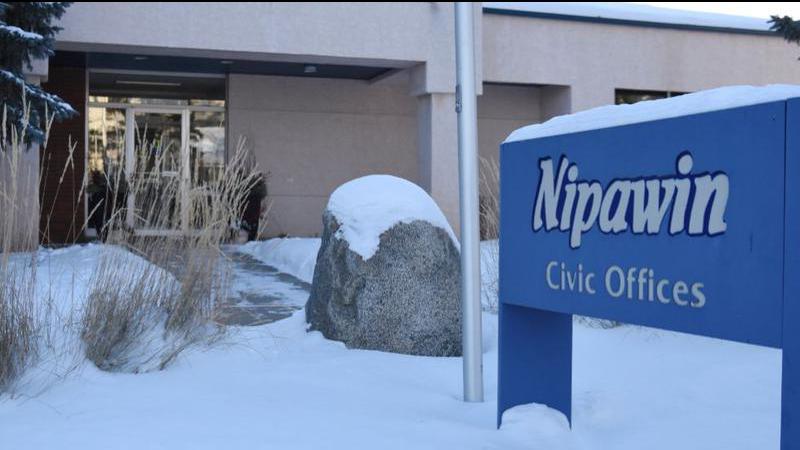
(File photo/northeastNOW)
Population and land review

Review shows Nipawin in need of commercial, industrial land

Dec 11, 2025 | 12:12 PM

NIpawin Council has approved a Population and Land Review.

Chief Administrative Officer Michele Sorensen said the review, undertaken by Land Planner Jeff Hrynkiw, was undertaken to better understand the current state of available residential, commercial, and industrial lands in Nipawin. That includes the balance between Town-owned and privately owned properties.

“It also aimed to identify development trends and future directions so the Town can highlight where potential sales or investment opportunities may arise, as well as recognize any areas of concern that need to be addressed going forward,” Sorensen said.

The review also developed a picture of how the community has grown over the past decade and to use that knowledge to help guide future decisions regarding development.


“This includes examining where residential, commercial, and industrial projects have occurred, how much of that growth has been accommodated through infill lots versus new subdivisions, and how those patterns align with changes in population and business activity,” Sorensen explained. “By doing this, the Town can estimate how much additional land will be required for different types of development and determine whether those needs can be met with Town-owned land or will depend on privately owned properties coming to market.”

The review also looks at where existing services and infrastructure can support future growth and where future upgrades may be required. It also gives Council and administration dependable information when working with landowners, businesses, or developers.

“Ultimately, the goal is to link past trends with future needs so Nipawin can make informed, proactive decisions about where and how it grows.”

The review found that Nipawin has sufficient residential land in its inventory to accommodate projected growth until approximately 2031. The document also confirmed that the Town owns limited commercial and industrial land, especially large parcels of land or those with strong servicing and connectivity options.

“This constrained supply reduces the Town’s ability to directly offer suitable sites to new or expanding businesses and industries,” Sorensen said. “As a result, future commercial and industrial growth will depend more heavily on privately owned lands coming to market and on successful collaboration between the Town, landowners, and potential developers.”

Sorensen said the results of the review were similar to what the Town already knew, with a solid supply of residential land and limited commercial and industrial land.

“The main surprise was the extent and pace of infill lot development, particularly over the past one to three years,” explained Sorensen. “When that infill activity was translated into how much land would have been required if all of that growth had occurred in brand new subdivisions instead of on existing serviced lots, it became clear just how much the Town has benefitted from making efficient use of its existing infrastructure.”

The Town will now use the review to help demonstrate the current shortage of land available for commercial development. Sorensen said the findings will help highlight where gaps exist and will support the case for a future review of private lands, which will take place when there is sufficient demand and a clear need to better understand the full range of development opportunities in and around Nipawin.

Sorensen said the review helps the Town understand the position they are starting from so they can make informed choices going forward. She said other communities have directed taxpayers’ dollars toward the purchase of land, while others had different priorities, and the review will allow Nipawin to guide their own path to suit their specific needs.

While the residential land in Nipawin’s inventory should support projected growth for about a decade, the same is not true of the commercial and industrial land.

“This limits our ability to respond when opportunities arise and shows the importance of working with private landowners to increase the amount of serviced commercial and industrial land available for future development.”

Sorensen said the Town will act as a liaison between landowners and people interested in developing or locating a business in the community. She said growth can occur on both Town-owned and privately owned land, and that their role is to share information about available sites and outline zoning and servicing considerations.

“If you own land [that] you are considering selling or would like to see developed for a specific purpose, please contact the Town so we can keep it in mind when we are speaking with interested developers or investors.”

cam.lee@pattisonmedia.com