Click here to sign up for our free daily newsletter
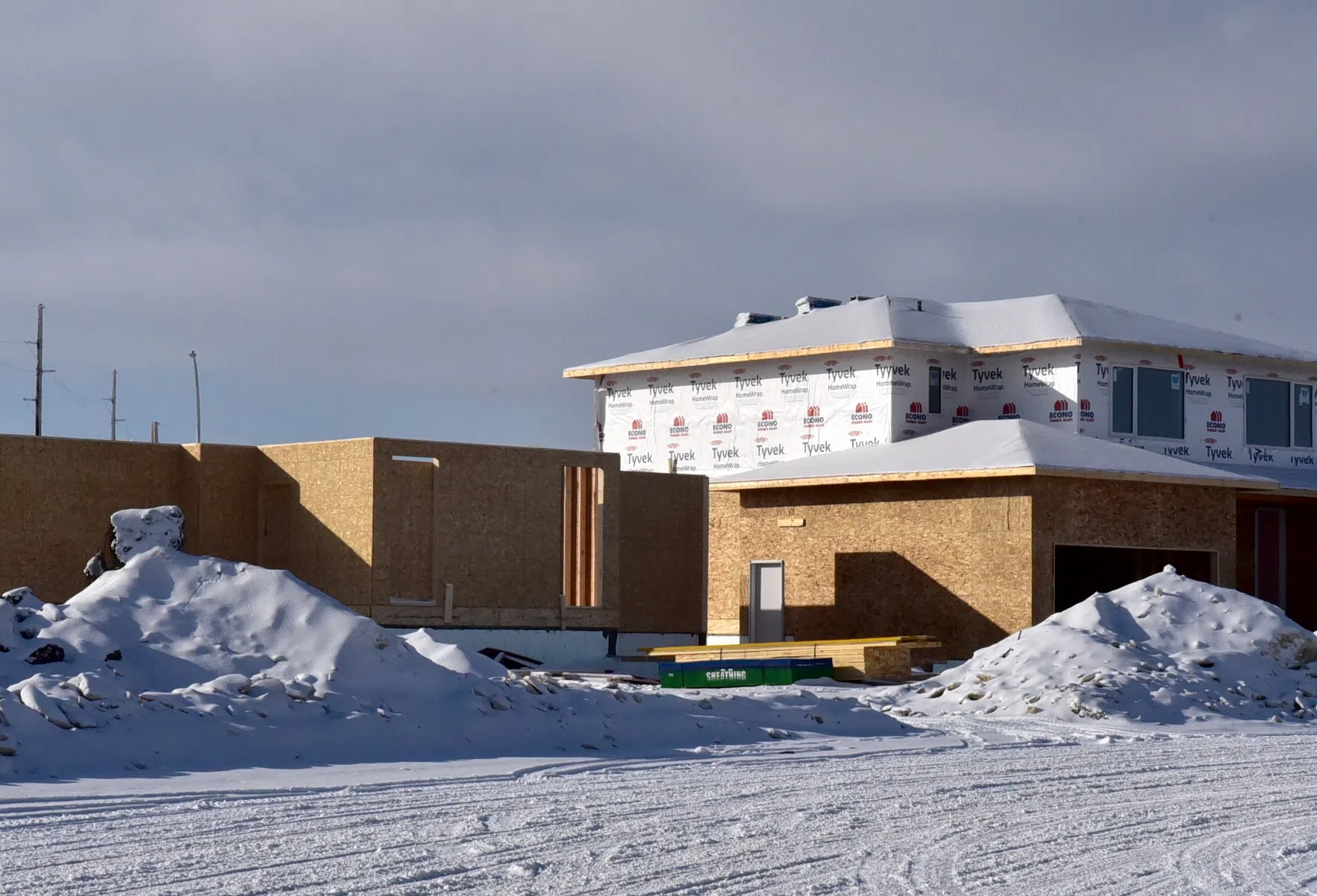
The NDP and home builders say that removing PST on construction projects, including new homes, would result in more building. (Image Credit: Susan McNeil/paNOW Staff)
Construction costs

If province wants construction they should remove PST on it: NDP, home builders say

Feb 11, 2026 | 7:00 AM

It has been about nine years since the provincial government changed PST rules to include the full value of construction contracts and services on homes. 

Now, the NDP is calling on the Sask. Party to remove it to maximize the amount of building that can be done—a change home builders support. 

NDP Shadow Minister for Energy and Resources Sally Houser was in Prince Albert recently and said the ‘job killing tax’, is making life unaffordable and the time to take advantage of a new federal push for big infrastructure projects is now.  

“I’ve been up around Carrot River and Prince Albert over the past couple of days meeting with forestry folks and every building association, trucking association, when we talk about roads, says that this would be an easier thing to get things moving if we didn’t have it,” Housser said. 

“And we think particularly now with the opportunity with the federal government and a desire to look at developing West and developing our North, that this time it makes the most sense.” 

McIlvenna Bay, a new copper and zine mine gearing up production is one such project. Improved road and rail access to the Port of Churchill which would follow Highway 55 across North Central and Eastern Saskatchewan is another.  

Housing supply has been affected in a big way as well, according to the Saskatoon and Region Home Builders’ Association. Prince Albert is included in its catchment area. 

In 2017, the PST increased from five per cent to six per cent and expanded to include the labour on construction projects among other things. Before that, it applied to materials purchased for construction. The goal was to give the province more stable forms of revenue that did not involve more volatile natural resources.  

“At the time, there was a lot of challenges in the resource sector; it wasn’t doing very well. Agriculture wasn’t doing very well and so this was really a way for them to expand their revenue sources,” said Nicole Burgess, CEO of the Saskatoon and Region Home Builders’ Association. 

The change caused an immediate drop in the number of new homes built, however.  

“Needless to say, it was not popular amongst residential construction. In fact, things took a pretty sharp nosedive,” she said.  

Adding any cost to the already high expenses of building makes the builder reassess the reward versus risk of a project.  

Burgess said her organization fought long and hard to remove it but has not been successful.  

“This is very detrimental to home building and affordability and has continued to remain kind of a top advocacy priority for our association because of that.” 

During the pandemic, the province created a rebate program that allowed a maximum of 42 per cent of the PST paid on a new, unoccupied home to be claimed by the buyer of that home.  

That program has helped and applies to homes with a value of between $450,000 and $550,000, excluding the value of the land.  

While only the buyer can claim the rebate—not the builder unless otherwise agreed—it does help with affordability to a point, said Burgess. The builder of the home sees no money back, but the buyers have a higher chance of being able to afford an otherwise too expensive building.  

The rebate was set to expire but was recently made permanent by the province, another change that Burgess welcomes.

“PST on construction, obviously, it doesn’t just impact builders, it really impacts housing supply, affordability and the broader economy,” she said.  

For spec homes (built for general sale and without a confirmed buyer), it means the company doing the construction has to take a bigger risk that their product will be bought at all.  

“We always say that every additional cost layered onto construction will affect project viability and ultimately limit how much housing gets built,” she said.  

Last week, the NDP pushed the province to end PST on all construction, saying it would benefit Prince Albert and the northern region at a time when growth is coming.  

According to NDP numbers, PST adds an estimated $484 million in costs every year in the province, when it comes to building roads, houses and other infrastructure.  

The Saskatchewan Association of Rural Municipalities (SARM) also pushed for removal of the PST because of the impacts on construction for municipalities but was not successful in convincing the province to change its course either.  

Burgess said ideally there would be no PST on home construction.  

“We very much do appreciate the rebate, we advocated very strongly for it but short of that, the ideal solution would be essentially [to go] back to the removal of the PST.  

“While the rebate’s great, it does add another step. It does add that extra red tape,” she said.  

She also pointed to the loss of labour and contractors to Alberta, which has no sales tax.  

“We’ve lost many great builders form Saskatchewan moving to Alberta because of taxation, because of the cost and because of the opportunity to sell homes at a higher price and not have those extra cost burdens.” 

paNOW reached out to the province for a response and received this statement by email: “Saskatchewan applies PST broadly to provide a fair and stable source of revenue that supports key public services, including Municipal Revenue Sharing, infrastructure, healthcare and education. The province reviews taxes annually as part of the budget process, but no changes are planned to the PST policy on construction services.”

susan.mcneil@pattisonmedia.com

On BlueSky: @susanmcneil.bsky.social