Click here to sign up for our free daily newsletter
Jenna Roberts, like other wild rice harvesters, uses a propeller-driven airboat to collect the grain. (Image Credit: Derek Cornet/larongeNOW Staff)
Wild Rice Series

From lake to plate: Wild rice harvesting draws Indigenous people to the land

Apr 20, 2026 | 2:00 PM

Wild rice is an important economic crop for First Nations and Métis people across Western Canada. The industry is particularly significant in Northern Saskatchewan, where approximately 70 per cent of the Canadian crop originates. Considered a sacred grain to Indigenous Peoples for centuries, it was first introduced in Northern Saskatchewan in the 1930s and has since become a premium product sold for top dollar in international markets.

Northern Saskatchewan is known for its vast landscape of boreal forest and tens of thousands of lakes, but it is also home to Canada’s largest crop of wild rice.

Every year, hundreds of people take to the land in late August or early September to attend to the wild rice harvest. It is an important economic driver for northerners who sell the rice to buyers, who in turn distribute it to companies in Europe, the United States and mostly China.

Wild rice production began to surge in the 1970s with the introduction of propeller-driven airboat harvesters, which significantly improved performance and increased harvesting efficiency. The Roberts family in La Ronge began harvesting rice on Bigstone Lake around that time.

“I would say a lot of Indigenous people do it, that’s for sure,” Jenna Roberts explained.

“It’s kind of like a tradition that’s passed down. They used to do it from canoes and things like that, and now we have more technologies to harvest it better.”

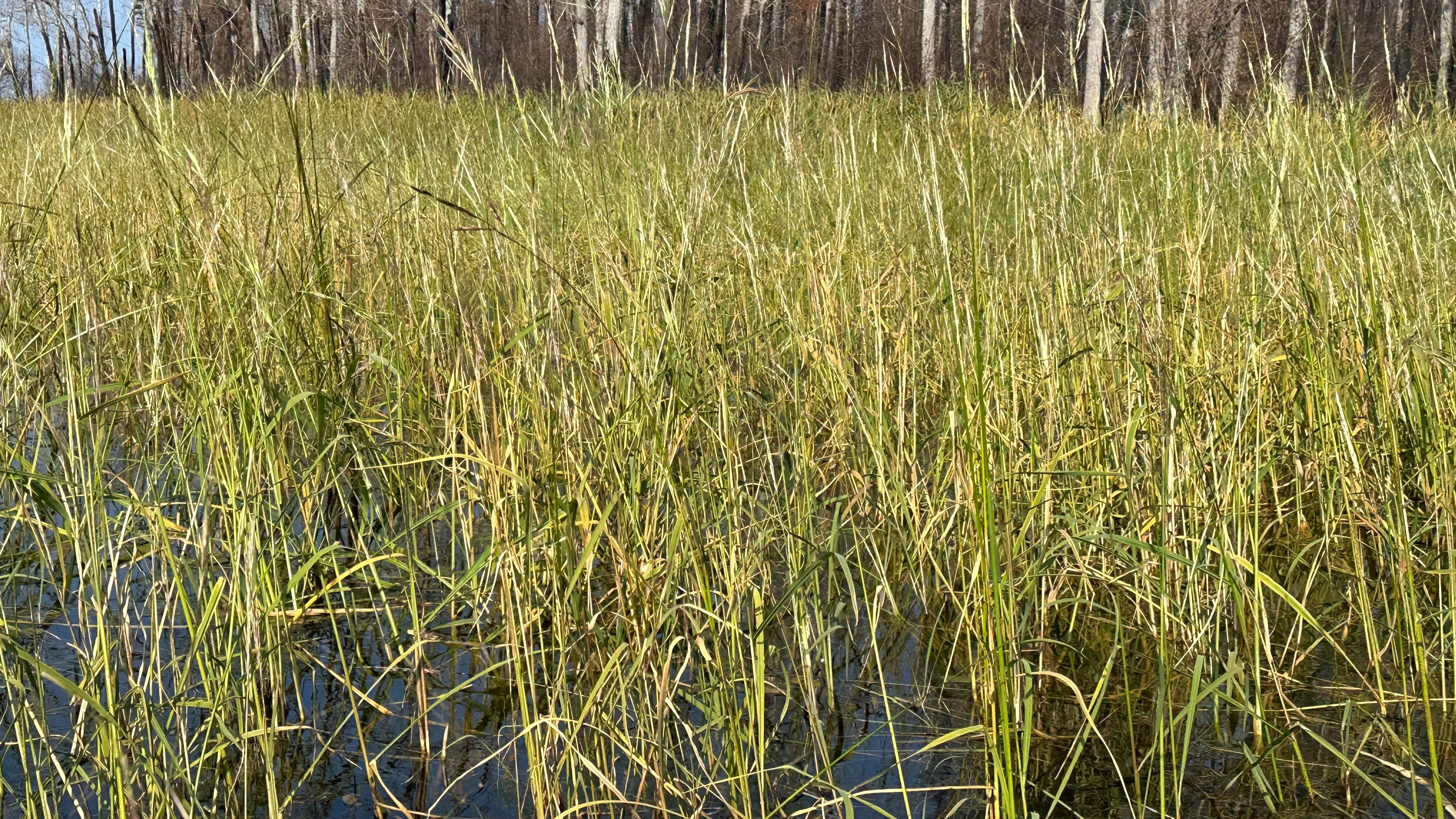
Wild rice growing at Bigstone Lake.
Wild rice growing at Bigstone Lake. (Image Credit: Derek Cornet/larongeNOW Staff)
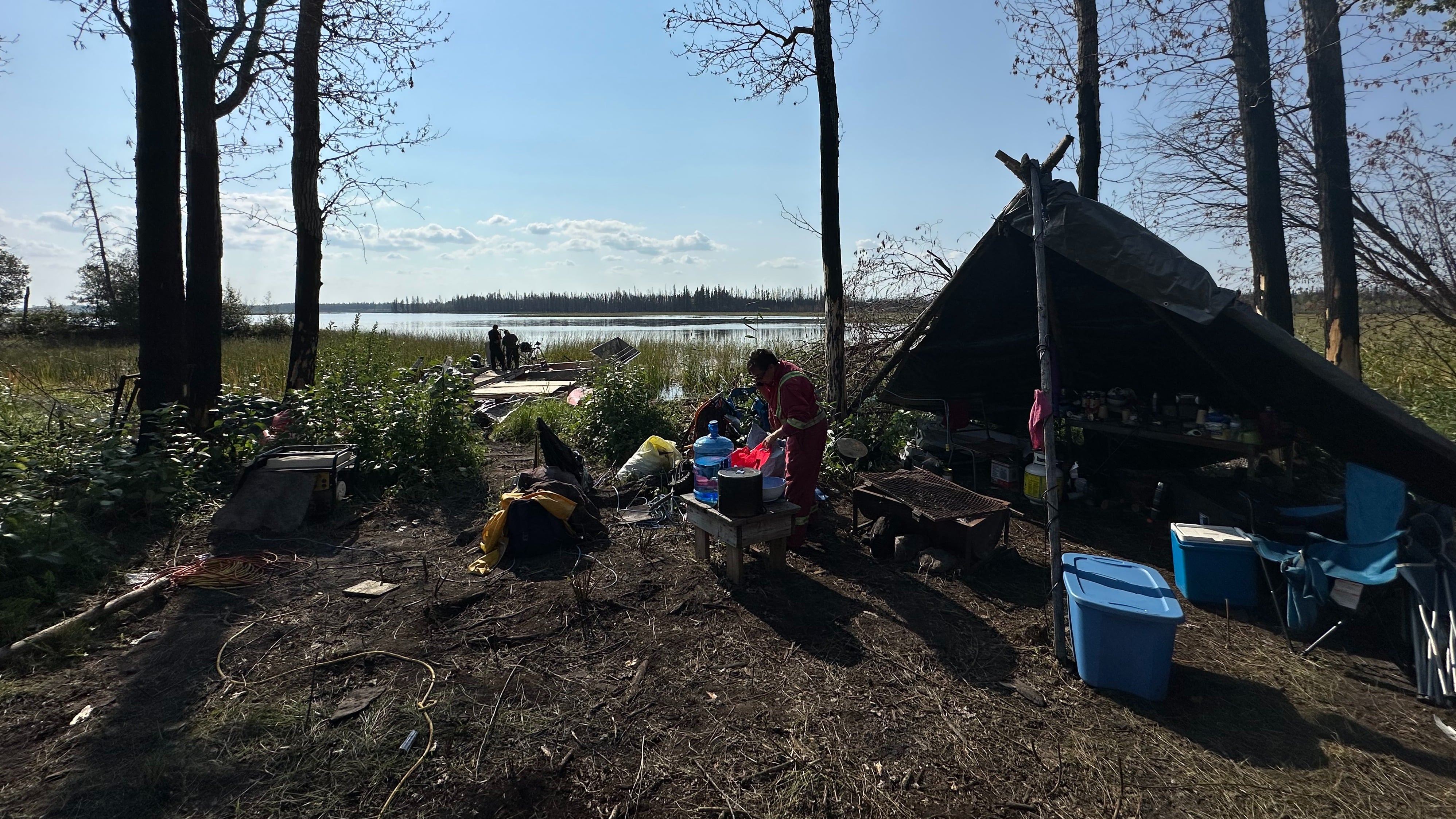
Jenna Roberts began building her camp on Bigstone Lake after it was destroyed in 2025.
Jenna Roberts began building her camp on Bigstone Lake after it was destroyed in 2025. (Image Credit: Derek Cornet/larongeNOW Staff)

Roberts has a long history in the wild rice business as she would spend time in her youth harvesting with her late father. After his passing, she has taken up the job herself. While she does earn an income harvesting, Roberts noted she largely continues as a way to keep the tradition alive in her family.

“It brings be back to when I would go out with my dad and spend time,” she remarked.

“I get to go fishing, hunting, berry picking, picking rat root and mint. That’s just all relaxing and it brings me down to earth again.”

Roberts began harvesting rice in 2025 in September, which usually lasts two or three weeks. In Saskatchewan, the frost can come early and it’s crucial the rice is harvested before that happens.

While the wild rice was healthy and plentiful in 2025 on Bigstone Lake due to shallow water, the area where Roberts harvests was affected by last summer’s wildfires in the La Ronge area. All the work her family had accomplished for decades was destroyed.

“I had a big gulp in my throat and I was teary-eyed just to see everything lost, but things happen, I guess,” she said.

“It’s been hard. It’s been in our family for a long time that island. Over the years we have built and landscaped, and now everything is gone, even the dock. It’s going to take some time to rebuild and just restart all over.”  

derek.cornet@pattisonmedia.com