Click here to sign up for our free daily newsletter

Rain is a mixed blessing for Saskatchewan farmers

Aug 14, 2025 | 3:17 PM

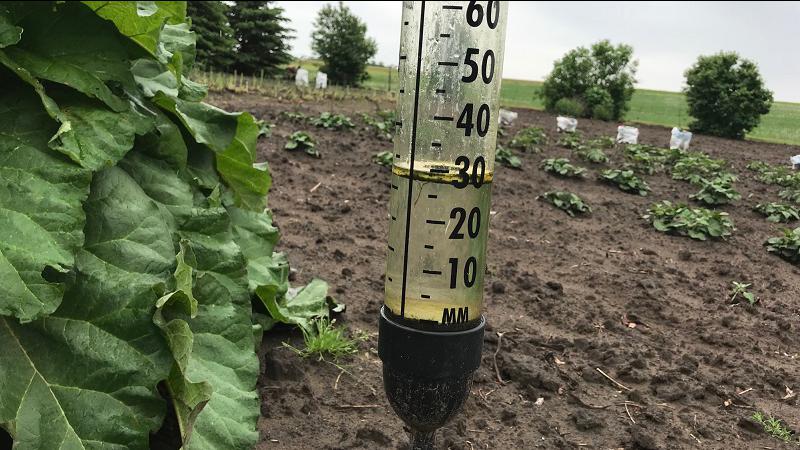
Widespread rainfall in the province last week dramatically increased topsoil moisture levels.

According to the crop report for the week of Aug. 5 to 11, the Beatty area received the most with 105 millimetres (mm), followed by the Calder district with 103 mm and Star City with 102 mm.

The Bruno, Prince Albert and Saskatoon areas all received 90 mm of rain or more.

The rain was timely for later seeded crops as they continue to fill, but some producers are concerned about the potential impact on quality for early seeded crops.


Ministry of Agriculture Crops Extension Specialist Tyce Masich said the rain stopped any field work.

“A lot of desiccation efforts were slowed because you can’t desiccate when it’s wet and the same with any harvest that was going on was significantly slowed this week. Very little progress was made because there was just a lot of rain, especially in the southwest, where most of the harvest is going on,” Masich said.

While the moisture gave a boost to topsoil levels for crop land, hay land, and pasture and later-seeded crops, it caused some crop damage though it was minor and not widespread.

Masich said the newest pest on a farmers’ radar is Bertha Armyworm. He said it was severe enough to warrant spraying to prevent crop damage.

“Over the last couple months, there have been pockets of grasshopper activity here and there, but what’s really been taking off is Bertha armyworm populations especially in the east central, northeast, northwest areas,” he said. “They have been causing some crop damage. There’s probably producers in other regions spraying as well. From what I hear the highest populations are in that northeast and east central area.”

Harvest progress is at two per cent which is behind the five and ten year averages. Masich says most of the progress has been made in the southwest.

“It’s just producers taking off their winter cereal crops and then they’re early seeded pulse crops,” he added. “Something that’s been new since last week is some producers started taking off their early seeded spring cereal crops of wheat, durum and barley. But there are producers in the southeast and east central that have gotten out in the field and started taking a few crop acres off. But still we’re still about a week from things to really kick off in these areas.”

The crop report noted 16 per cent of winter wheat, 14 per cent of fall rye, three per cent of lentils and peas, two per cent of barley and one per cent of spring wheat and canola have been harvested.

Most producers are either done or finishing their last haying and silaging efforts.

alice.mcfarlane@pattisonmedia.com