Click here to sign up for our free daily newsletter
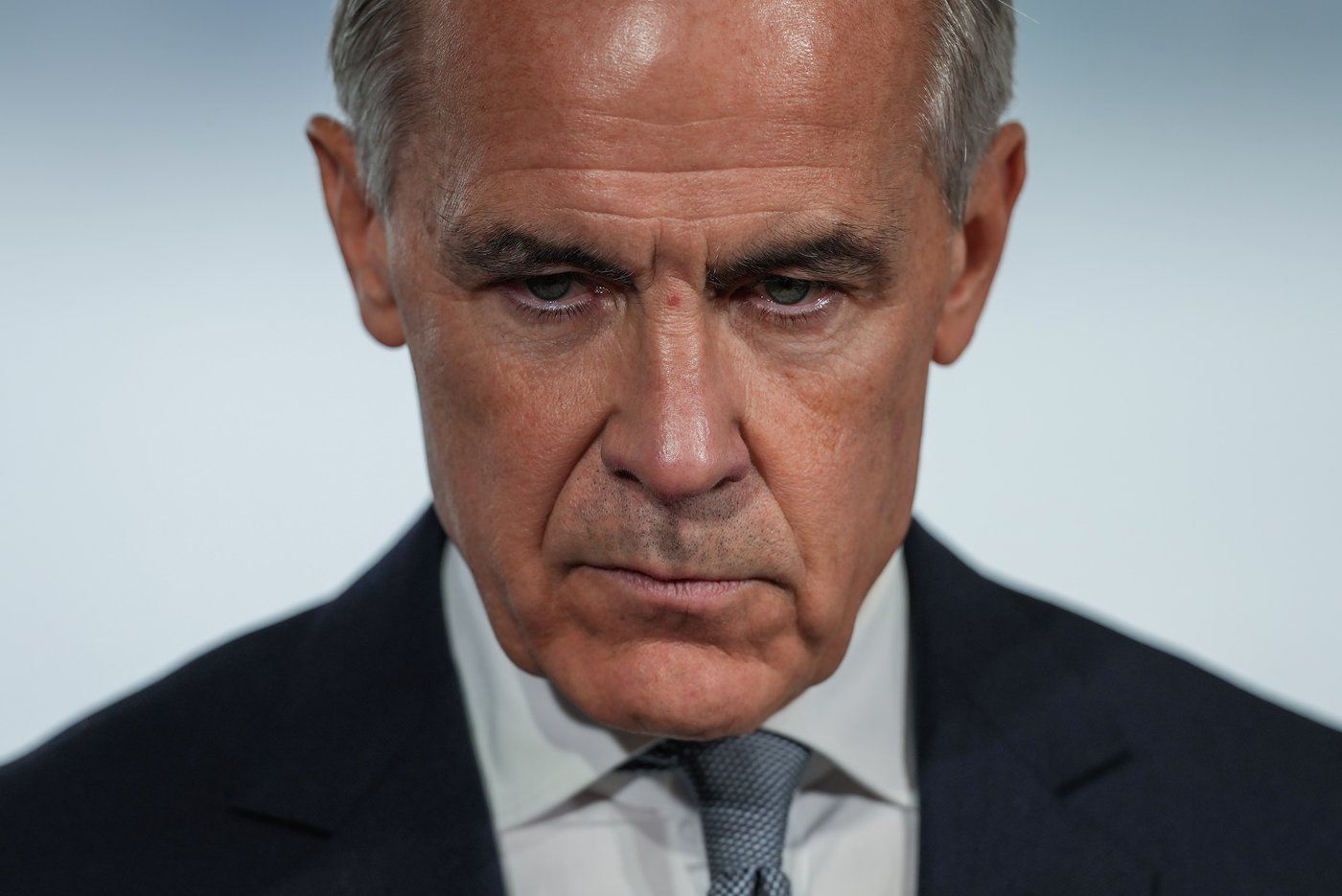
Prime Minister Mark Carney listens during an announcement about funding for oceans protection, in North Vancouver, B.C., on Tuesday, Sept. 29, 2026. THE CANADIAN PRESS/Darryl Dyck

Parliament to address AI safety, Carney says after Tumbler Ridge ChatGPT reports

Sep 29, 2026 | 3:58 PM

OTTAWA — Prime Minister Mark Carney said Parliament will address AI safety this fall after media reports suggested OpenAI’s ChatGPT chatbot coached the Tumbler Ridge shooter.

But it’s not clear if Carney was referring to the Liberals’ already-proposed digital safety bill or to separate legislation.

“This will be one of the issues that will be addressed in Parliament in this session,” Carney said at a news conference on Tuesday.

British Columbia Attorney General Niki Sharma has asked the federal government to change the Criminal Code to ensure accountability for AI companies. Carney was asked at a press conference whether the government would consider taking such measures.

He responded that the government has been looking at questions about the safety of social media and artificial intelligence separately from Sharma’s proposal.

“Independent of the B.C. attorney general, our government has been looking at and consulting on a series of issues around safe social media … extending to AI, the responsibilities, the various responsibilities these providers have, and any liabilities that they may have,” Carney said.

Last week, U.S.-based magazine Mother Jones reported details of the alleged interactions between shooter Jesse Van Rootselaar and ChatGPT in which it vividly described the effectiveness of a shotgun in a classroom. The magazine also reported it advised her how to get around its own safeguards to obtain information about violent scenarios by framing the content as fictional.

In February, Van Rootselaar killed eight people, including five students at Tumbler Ridge Secondary School, before turning the gun on herself.

Sharma said Friday the “right” changes to the Criminal Code would “change the behaviour of AI companies, because there will be a clear line to accountability.”

Justice Minister Sean Fraser’s office said in a statement Friday that current criminal law is “technology-neutral” and applies “equally to tech companies and other companies.” The statement also pointed to the Liberal government’s digital safety bill, C-34.

That bill, introduced in the House of Commons earlier this year, is not yet law. If passed, it would impose a duty to act responsibly on the companies behind AI chatbots. That includes measures to lower the risk of chatbots communicating harmful content and putting in place crisis intervention protocols for cases involving self-harm, suicide or violence.

Bill C-34 doesn’t amend the Criminal Code. But it would make it easier to argue these kinds of cases in court because the bill would establish legal responsibilities for AI companies, said Robert Diab, a law professor at Thompson Rivers University.

Diab said he doesn’t think changes to the Criminal Code are needed.

“Existing offences in the Criminal Code, together with provisions in Bill C-34 that are currently before Parliament and likely to pass, will give police and Crown prosecutors adequate tools,” he said.

“When Bill C-34 is passed, it’s going to impose a set of legal duties on AI companies … to take steps to ensure that their products do not engage in these harmful conversations, or produce harmful content, which includes encouraging or counselling violence,” Diab said.

“They have to take steps to mitigate the risk of that.”

This report by The Canadian Press was first published Sept. 29, 2026.

Anja Karadeglija, The Canadian Press