Click here to sign up for our free daily newsletter
A Sharp-tailed Grouse dancing. The photo was taken by Boyd Coburn, a volunteer who leads bird photography tours and photography workshops for Saskatoon Custom Bird Tours/Living Sky Wildlife Rehabilitation. (Image Credit: Boyd Coburn via Stan Shadick/submitted)
Birdwatching boom

Birdwatchers flock to Saskatchewan for rare species and prairie skies

May 10, 2026 | 1:00 PM

Birdwatching may sound like a quiet pastime, but in Saskatchewan, it has become a growing tourism draw that attracts visitors from around the world.

From snowy owls on winter fence posts to the rare whooping crane stopping in harvested fields, the province has earned a reputation among birders and wildlife photographers as one of North America’s top destinations for spotting unique species.

Stan Shadick, a Saskatoon-area birding guide who runs tours through Living Sky Wildlife Rehabilitation, said interest in birdwatching has surged in recent years.

“There’s a lot of interest in birding and bird photography around the world,” he said. “And Saskatchewan has some very unique reasons for coming here.”

Shadick began leading tours after retiring, combining his lifelong passion for birds with fundraising efforts for the wildlife rehabilitation charity run by his wife. The organization cares for injured and orphaned wildlife brought in from across the province.

“It’s a huge operation, as you could imagine,” Shadick said, noting young birds sometimes need feeding every 15 minutes.

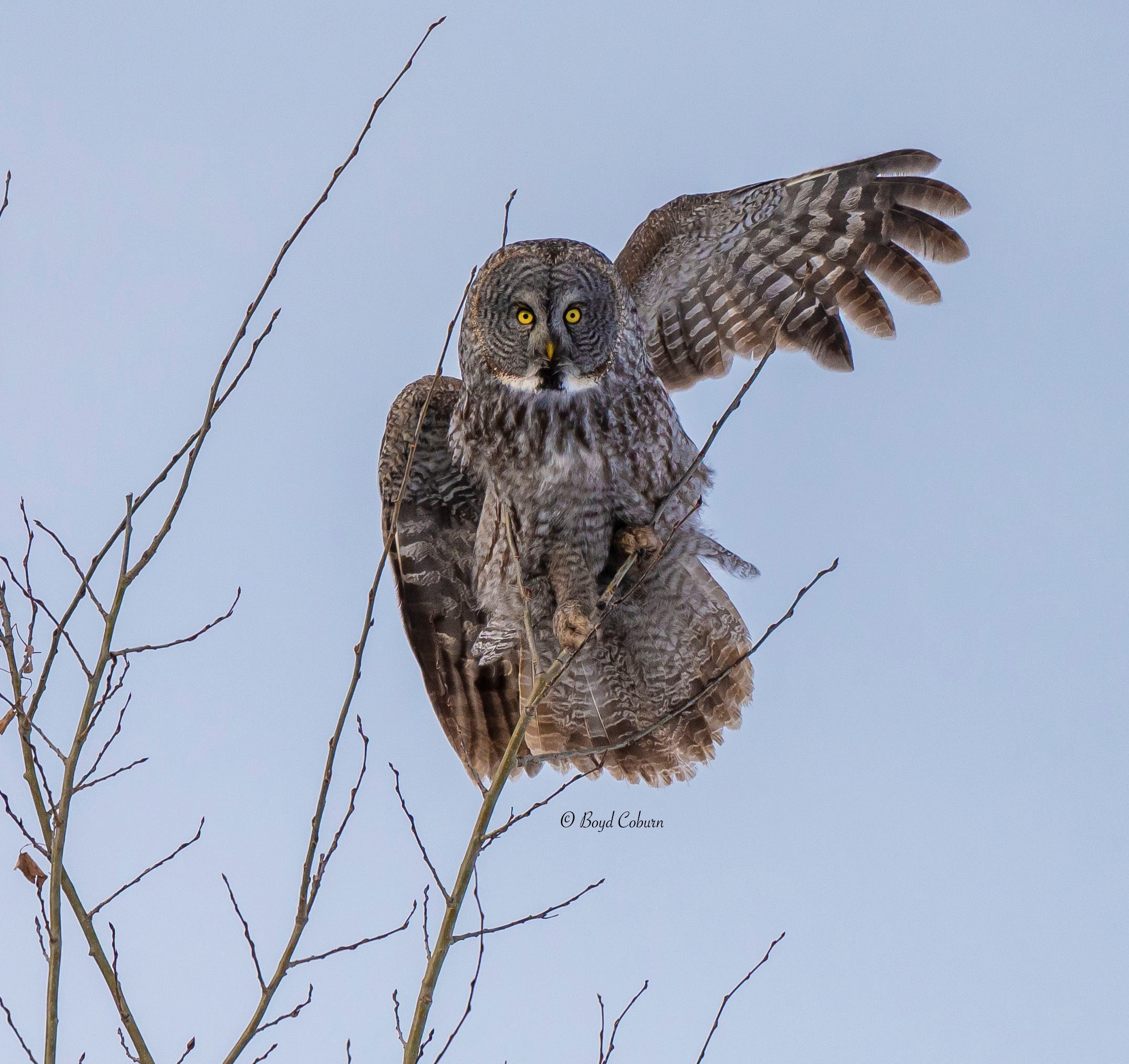
A Great Gray Owl, often seen in the Prince Albert region.
A Great Gray Owl, often seen in the Prince Albert region. (Image Credit: Boyd Coburn via Stan Shadick/submitted)

To help support the charity, Shadick now leads roughly 40 different tours across Saskatchewan, taking visitors into prairie grasslands, northern forests and wetlands in search of rare and iconic species.

The tours attract participants from across Canada, the United States and overseas; he’s expecting a guest travelling from Spain soon.

“Last winter, I had a couple from Australia that came here.”

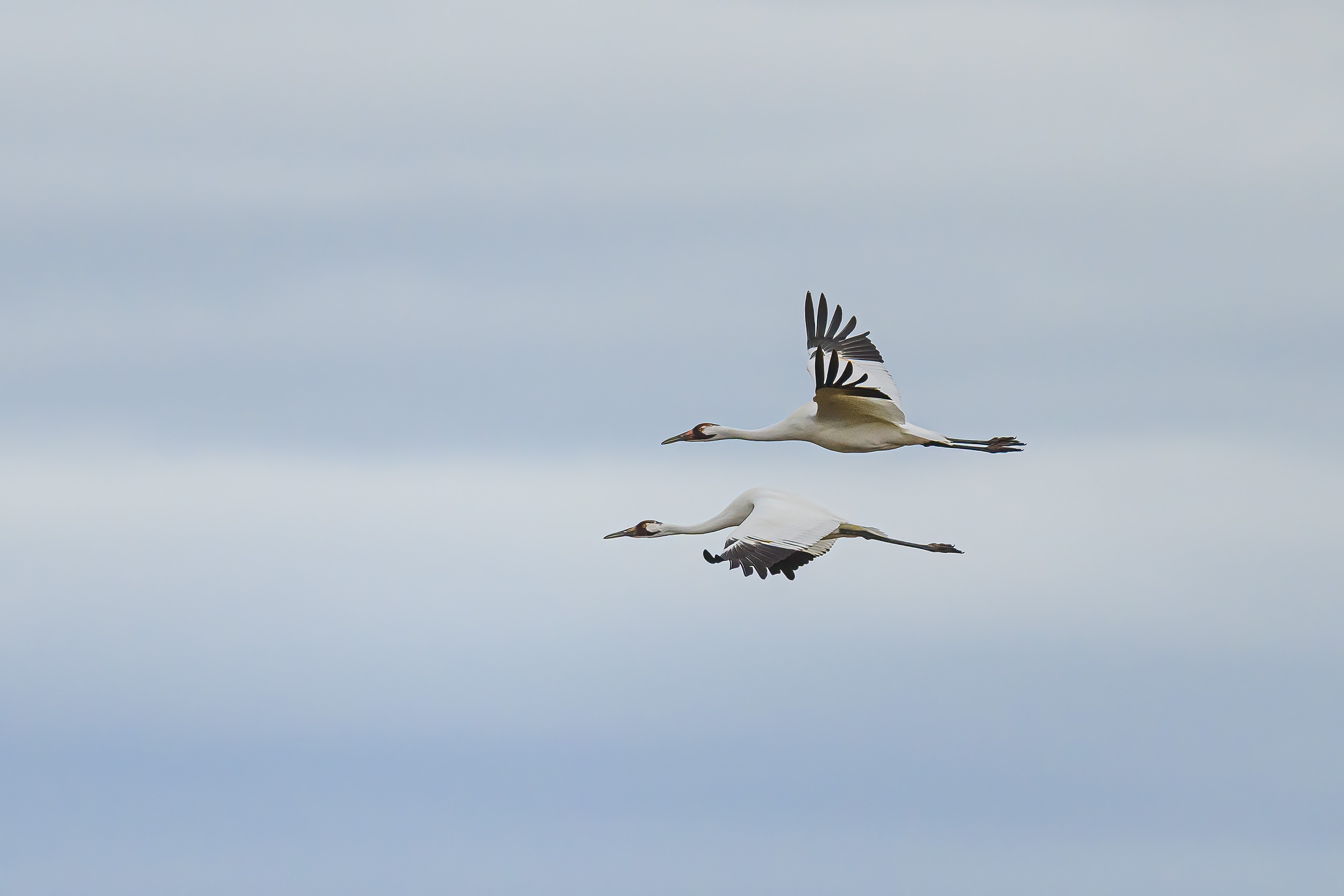
One of Saskatchewan’s biggest birding draws is the whooping crane, one of the rarest birds in North America.

“When I was very young as a kid, I became interested in the plight of the whooping crane that had become very, very scarce in Saskatchewan,” Shadick said.

The birds once nested in southern Saskatchewan before disappearing due to settlement, habitat loss and drought during the 1930s. The species nearly vanished entirely. Shadick said the global population dropped to just 21 birds in 1941, with today’s population descending from only 14 surviving individuals.

“Today the population is somewhere in excess of 550,” he said.

During the fall migration, birdwatchers travel to Saskatchewan for the chance to see the towering white birds feeding in harvested grain fields.

Two Whooping Cranes in flight above Saskatchewan.
Two Whooping Cranes in flight above Saskatchewan. (Image Credit: Boyd Coburn via Stan Shadick/submitted)

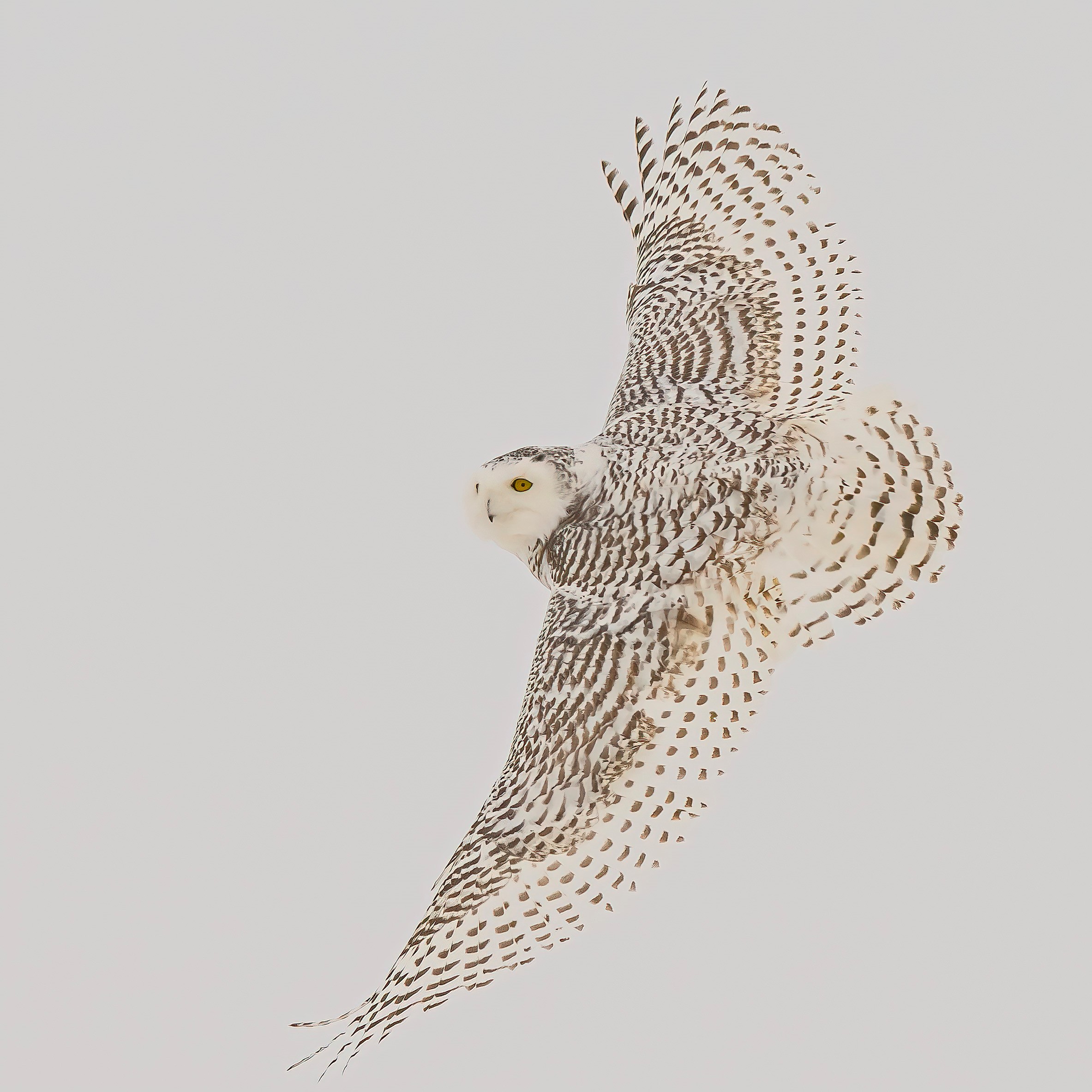
Snowy owls are another major attraction.

“Saskatchewan has the highest density of wintering snowy owls of any place in the world,” Shadick said.

The province is also home to the sharp-tailed grouse, Saskatchewan’s provincial bird, known for its elaborate sunrise courtship dance on prairie display grounds called leks.

Shadick said Saskatchewan’s geography makes it especially appealing to birders because species from both eastern and western North America can be found here.

Snowy Owl are a major attraction for bird watchers in the province.
Snowy Owl are a major attraction for bird watchers in the province. (Image Credit: Boyd Coburn via Stan Shadick/submitted)

Birdwatching has also become more accessible for beginners thanks to smartphone apps and improved field guides.

“There’s nothing better than a good bird identification book,” Shadick said. “The bird ID guides have become much, much better than they used to be.”

Beyond spotting rare birds, he believes the hobby offers people a chance to reconnect with nature.

“It’s a fun hobby. It gets them out into nature,” he said. “You get outside, which is always good for health.”

panews@pattisonmedia.com